
PGE2 Measurement: Mediator of Inflammation and Tissue Repair
Prostaglandin E2 (PGE2) is a lipid mediator involved in regulating inflammation, immune signaling, and tissue repair. Produced from arachidonic acid through cyclooxygenase (COX) activity, PGE2 is synthesized rapidly in response to injury or inflammatory stimuli and acts locally to influence cellular behavior.
Because of its short half-life and tightly regulated production, PGE2 is best understood as a dynamic signaling molecule rather than a static marker of inflammation.
A Context-Dependent Role in Immune Signaling
PGE2 contributes to multiple phases of the immune response. Early in inflammation, it can promote vasodilation, increase vascular permeability, and support immune cell recruitment. In later stages, PGE2 is also associated with resolution processes, including modulation of macrophage activity and suppression of prolonged inflammatory signaling.
This context-dependent behavior means that changes in PGE2 levels are often tied to timing and cellular source, not just overall magnitude. In experimental systems, disrupting PGE2 synthesis—through pharmacologic inhibition or genetic approaches—can alter the balance between inflammatory activation and resolution, with downstream effects on tissue repair.
As a result, PGE2 is commonly investigated across multiple research areas, including regenerative medicine and stem cell biology, innate immune signaling and macrophage function, cancer and tumor microenvironment research, and inflammatory disease models.
Why Quantitative Measurement Is Necessary
PGE2 signaling is transient, and the molecule’s stability is sensitive to experimental conditions. Small differences in production can correspond to meaningful biological effects, particularly in systems where timing influences outcomes. There are several common experimental variables that affect PGE2 levels:
- Cytokine stimulation (e.g., TNF-α, IFN-γ)
- Enzymatic inhibition (e.g., COX inhibitors such as indomethacin)
- Cell type and activation state
- Sample handling and collection timing
Quantitative measurement is required to resolve these differences and relate them to functional endpoints.
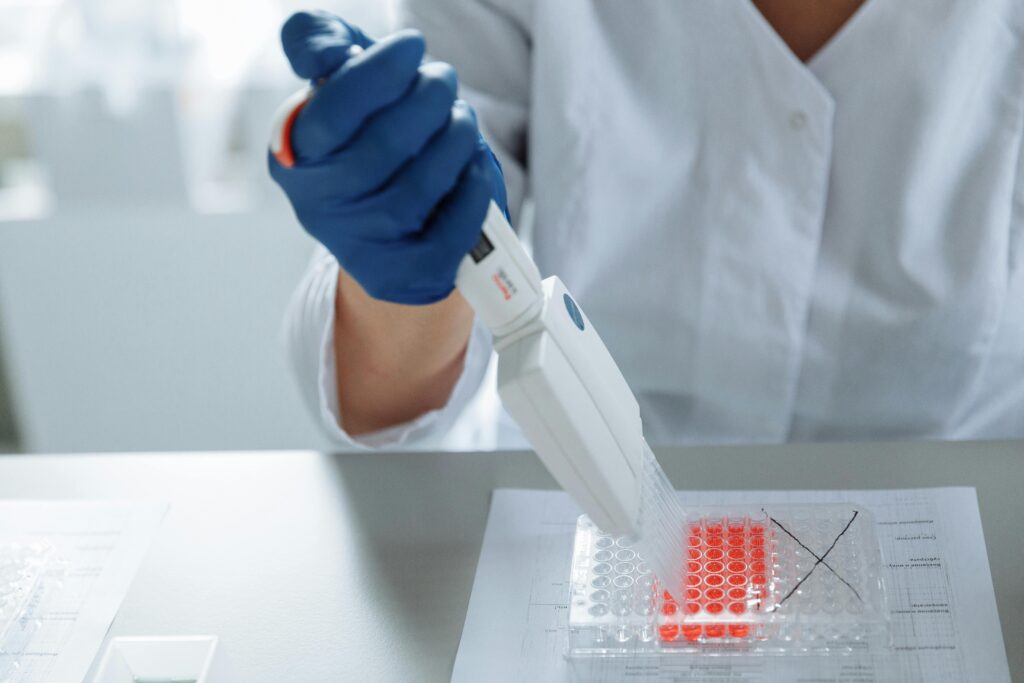
ELISA-based assays are widely used for PGE2 detection due to their sensitivity, reproducibility, and compatibility with a range of sample types, including cell culture supernatants, tissue extracts, and biological fluids.
Experimental Considerations for PGE2 Analysis
Consistent PGE2 measurement requires standardized sample collection timing relative to stimulation or treatment, with temperature control and prompt processing essential to minimize variability.
In many studies, PGE2 is measured alongside other readouts, such as cytokine profiles, gene expression data, or functional assays. This combined approach allows researchers to place PGE2 signaling within a broader biological context.
Selecting an Assay for Reliable PGE2 Measurement
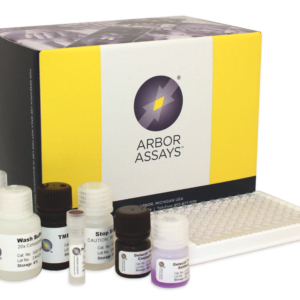
Selecting the appropriate assay is crucial given PGE2‘s relatively low concentrations and rapid changes; the Arbor Assays DetectX® PGE2 ELISA Kit provides sensitive, reproducible detection across a range of experimental conditions.
Key features of the Arbor Assays kit include:
- 2.5-hour assay duration, supporting same-day data collection
- Easy-to-use ELISA format, compatible with standard colorimetric plate readers
- Several validated sample types, including serum, plasma (EDTA, heparin, sodium citrate), saliva, urine, and tissue culture media
- Species-independent detection, supporting use across diverse model systems
- 4.16 pg/mL sensitivity, enabling detection of low-level PGE2 production without sacrificing workflow efficiency
In addition to assay performance, practical support can improve consistency across experiments. In-house technical support is available to assist with assay setup, sample-specific questions, and protocol optimization.
Learn More About PGE2 Measurement
For researchers working with inflammation, immune signaling, or tissue repair, consistent PGE2 quantification is an important part of experimental design.
Explore the DetectX® Prostaglandin E2 (PGE2) ELISA Kit (K051-H) and related resources to support accurate PGE2 measurement in your workflow.
Featured Products
-
 In Stock
Prostaglandin E2 (PGE2) ELISA Kit
Price range: $484.00 through $1,934.00The DetectX® Prostaglandin E2 (PGE2) ELISA Kits quantitatively measure PGE2 present in serum, plasma, urine, saliva and tissue culture media samples.