
Cutting the Noise: Next-Gen Biomaterial Testing in Fresh Human Blood
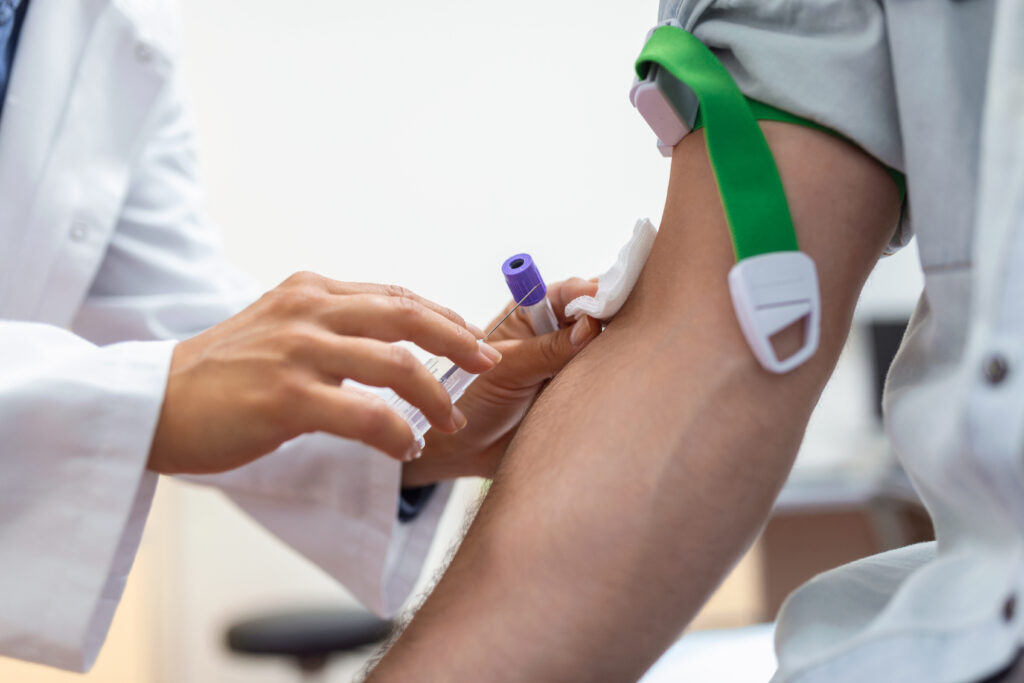
When a medical device comes into contact with blood, several biological responses can occur at once. Platelets can activate, coagulation pathways can respond, and red blood cells can undergo hemolysis. For researchers testing a blood-contacting material, measuring these responses can help show how the material affects blood.
A recent study published in the Journal of Biomedical Materials Research Part B evaluated a low-background blood loop model designed to measure several types of blood-material interactions using fresh human blood. Researchers tested an untreated catheter and an EBS-treated catheter and compared both with a no-material control.
Measuring Multiple Blood Responses
The researchers evaluated coagulation, platelet activation, inflammation, immune response, and hemolysis. The blood circulated through the test loops for 60 minutes at 37°C before researchers collected samples for analysis.
The untreated catheter produced significantly higher levels of several activation markers, including thrombin-antithrombin (TAT), β-thromboglobulin, PMN elastase, monocyte CD11b, and PMN CD11b. These results indicated greater coagulation, platelet, and inflammatory responses compared with the EBS-treated catheter and no-material control.
The EBS-treated catheter produced responses that were generally similar to the no-material control, supporting the researchers’ conclusion that the test system itself produced relatively low background activation.
Measuring Hemolysis With Plasma Free Hemoglobin
The study also measured hemolysis, or the breakdown of red blood cells, by measuring plasma free hemoglobin (pfHgb). At Medtronic, researchers used the Hemoglobin High Sensitivity Detection Kit from Arbor Assays to quantify pfHgb in the blood samples.
The researchers found no significant differences in pfHgb between the untreated catheter, EBS-treated catheter, and no-material control. This result was useful because it showed that the catheter did not produce a measurable difference in hemolysis under the conditions tested, while the other blood markers showed clear differences between the untreated and EBS-treated materials.
Including pfHgb alongside coagulation, platelet, inflammatory, and complement markers gave the researchers a broader view of how the materials interacted with blood. Rather than relying on a single measurement, they could evaluate several major categories of blood response within the same model.
A Broader View of Blood-Device Interactions
The study concluded that the low-background blood loop model provided a way to measure multiple categories of blood-material interaction while minimizing activation from the test system itself. The hemoglobin measurement was one part of that broader assessment, providing a quantitative measure of hemolysis alongside the other markers.
For researchers studying blood-contacting materials and medical devices, measuring plasma free hemoglobin can help determine whether a test material causes red blood cell damage as part of a broader blood compatibility assessment.
The Hemoglobin High Sensitivity Detection Kit (K013-H) from Arbor Assays provides a quantitative method for measuring hemoglobin in plasma and serum, including applications where researchers need to assess hemolysis.
Interested in how Arbor Assays kits are being used in blood, inflammation, and biomaterials research? Explore the publication database to see additional peer-reviewed applications.
Featured Products
-
 In Stock
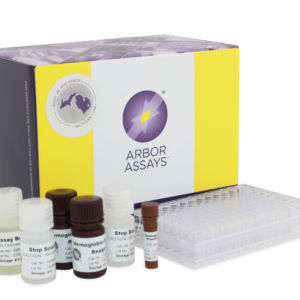
Hemoglobin High Sensitivity Colorimetric Detection Kit
Price range: $382.00 through $1,460.00The DetectX® Hemoglobin High Sensitivity Colorimetric Detection Kit is designed to quantitatively measure all forms of hemoglobin present in plasma and serum without dangerous chemicals or light sensitivity.
Related Products
-
 In Stock
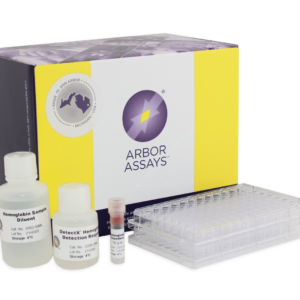
Hemoglobin Colorimetric Detection Kit
$346.00The DetectX® Hemoglobin Colorimetric Detection Kit uses a single reaction solution to measure Hemoglobin in whole blood and RBCs without dangerous chemicals or light sensitivity.