
Why Corticosterone Measurement Remains Essential in Rodent Stress Research
When scanning recent publications in stress physiology using mouse and rat models, one biomarker consistently dominates: corticosterone. Despite advances in molecular tools and increasingly complex disease models, corticosterone (CORT) remains the most reliable readout of hypothalamic-pituitary-adrenal (HPA) axis activity in rodent research.
The data tells a compelling story. Nearly half of all rodent studies in Arbor Assays’ publication database utilize corticosterone measurement kits, a trend that has remained steady for over a decade. This consistency reflects the hormone’s unique value in helping pre-clinical scientists translate stress models into human health innovation.
Why Researchers Measure Corticosterone
Corticosterone provides a proven, quantitative link between:
- Stress exposure and neural activity
- Brain function and behavioral changes
- Physiological outcomes across multiple organ systems
For researchers investigating why animals behave in certain ways or how chronic stress alters metabolic and immune pathways, corticosterone measurement provides a trustworthy path to discovery.
Rodent Stress Models Across Research Disciplines
Mouse and rat stress models are foundational to multiple fields, including neuroscience, behavioral research, addiction studies, autoimmunity, and exercise physiology. Recent literature demonstrates why these models continue to drive scientific progress.
Recent Applications in Cutting-Edge Research
Autoimmunity and Stress-Induced Tissue Damage
A 2025 Cell study on stress-induced hair follicle necrosis used corticosterone measurements to connect sympathetic nervous system overactivation with autoimmune cascades. By quantifying hormone levels at critical timepoints, researchers linked neural stress signaling with tissue damage and immune dysregulation—insights that behavioral observation alone could never capture.
Social Isolation and Developmental Stress
Investigators examining social isolation stress across different ages measured corticosterone to distinguish between immediate distress responses and long-term HPA axis adaptations. This hormone readout revealed age-specific behavioral patterns that would have remained obscured without endocrine data.
Exercise as a Stress Countermeasure
Research on voluntary wheel running demonstrated how physical activity counters isolation-induced cognitive deficits. Corticosterone measurements mapped the physiological effects of exercise onto behavioral improvements in mood and aggression, showing how environmental enrichment reshapes stress biology at the hormonal level.
Addiction and Withdrawal Neurobiology
In morphine withdrawal studies, corticosterone tracking revealed how context-triggered withdrawal memories re-engage specific neural circuits—particularly basolateral amygdala neurons projecting to the nucleus accumbens core. The hormone provided a physiological readout of how stress systems interact with drug learning and relapse vulnerability.
The Common Thread
Across these diverse research areas, a pattern emerges: corticosterone is not just a background biomarker. It shapes how data are interpreted, connects neural activity to behavior, and adds biological depth to models that would otherwise depend solely on observation.
Why Corticosterone Maintains Its Central Role
Rodent stress models became fundamental to pre-clinical research because they offer experimental control, reproducibility, and direct insight into mammalian stress physiology. Measuring corticosterone aligns with these strengths by offering a quantitative window into how animals respond to stress across conditions and time points.
Key Research Applications
Researchers rely on corticosterone measurement to:
- Track acute stress responses by measuring HPA axis activation in real-time
- Characterize chronic stress adaptations over extended study periods
- Compare phenotypes across knockout, transgenic, and wild-type lines
- Evaluate environmental interventions and their physiological impacts
- Connect behavioral outcomes to specific neural and endocrine mechanisms
Sample Collection and Methodological Consistency
Serum and plasma are the most common sample types for corticosterone analysis. The consistency of these biological matrices, combined with well-validated ELISA protocols, enables reliable cross-laboratory comparisons and reproducible results—essential factors supporting the extensive rodent stress literature.
In parallel, the availability of non-invasive sample types, including urine, saliva, fecal extracts, respiratory vapor, hair, and feathers, offers researchers added flexibility. These matrices reduce handling stress and allow longitudinal sampling, making it easier to capture dynamic changes in corticosterone without introducing confounding stress responses.
The Future of Stress Biomarkers in Animal Models
While emerging biomarkers continue gaining traction, including cGAS-STING pathway components and immune-metabolic markers, corticosterone anchors a substantial portion of stress-related research. New molecular pathways are expanding the biomarker toolkit, yet researchers consistently return to corticosterone to validate the foundational biology of their experimental models.
Practical Guidance for Researchers
For principal investigators planning new projects or student researchers designing their first behavioral studies, corticosterone measurement remains a gold standard metric. It delivers dependable information about how animals respond to environmental challenges and helps anchor novel discoveries within an established physiological framework that maps to human health translation.
Selecting the Right Corticosterone Measurement Tools
Choosing appropriate detection methods depends on your specific experimental design, including:
- Animal model (mouse/rat vs. cortisol-driven species models)
- Sample type (serum, plasma, fecal, saliva, etc.)
- Study timeline (acute vs. chronic stress)
- Throughput requirements
- Budget constraints
For help identifying corticosterone assay kits that match your research needs, sample types, or biomarker workflow, contact our technical support team for personalized recommendations.
Featured Products
-
 In Stock
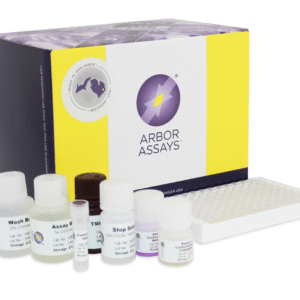
Corticosterone Multi-Format ELISA Kit
Price range: $375.00 through $1,499.00The DetectX® Corticosterone Multi-Format ELISA Kits quantitatively measures corticosterone present in a variety of samples. -
 In Stock
Corticosterone Chemiluminescent ELISA Kit
Price range: $436.00 through $1,745.00The DetectX® Corticosterone Chemiluminescent ELISA Kits quantitatively measures corticosterone present in a variety of samples.
Related Products
-
 In Stock
Cortisol ELISA Kit
Price range: $346.00 through $1,388.00The DetectX® Cortisol ELISA Kits quantitatively measure cortisol present in a variety of samples.