cGAMP Measurement Reveals Enhanced cGAS-STING Activation in Prostate Cancer Cells
Metastatic castration-resistant prostate cancer (mCRPC) is notoriously difficult to treat despite advances in targeted therapies and immunotherapy. Approximately 23% of mCRPC patients harbor alterations in DNA damage response (DDR) genes, creating opportunities to exploit DNA repair vulnerabilities while potentially enhancing anti-tumor immunity.
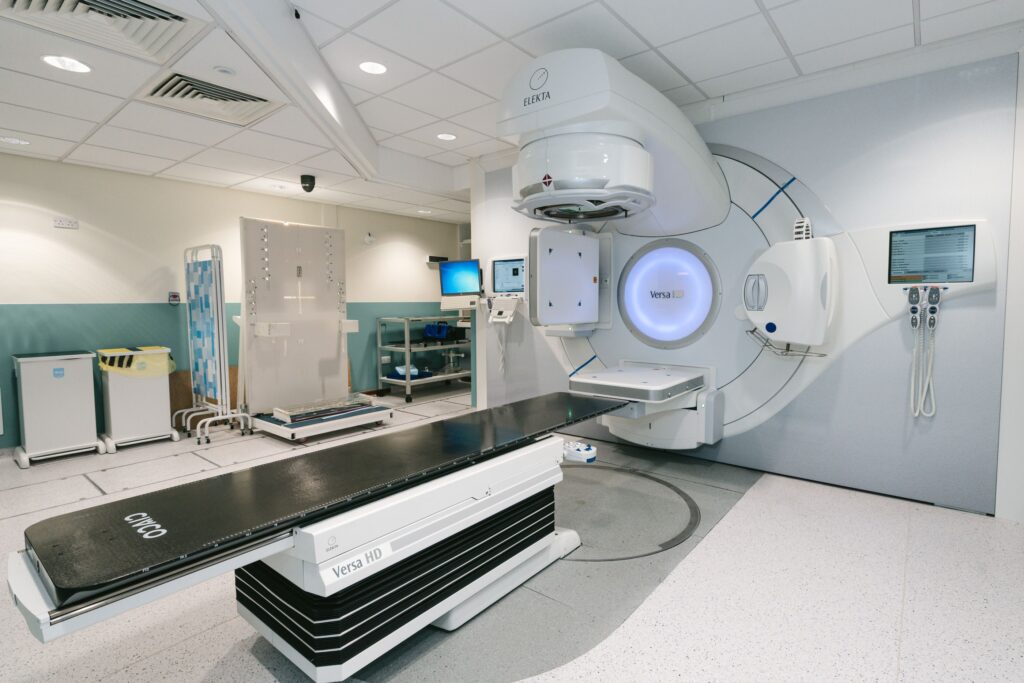
A recent study published in Cytokine investigated whether inhibiting the DDR proteins ATM and ATR could improve responses to radiotherapy while activating innate immune signaling pathways.
Measuring cGAS-STING Activation Through cGAMP
The cGAS-STING pathway serves as a key link between DNA damage and immune activation. When damaged DNA accumulates in the cytoplasm, cGAS produces cyclic GMP-AMP (cGAMP), which activates STING and initiates type I interferon signaling. Because cGAMP is the direct product of cGAS activation, it provides a valuable biomarker for monitoring pathway engagement.
To evaluate cGAS-STING activation, researchers treated human prostate cancer cell lines with radiotherapy alone or in combination with ATM and ATR inhibitors. Intracellular cGAMP levels were then quantified using the Arbor Assays DetectX® 2’3′-cGAMP ELISA Kit.
ATM Inhibition Increased Radiation-Induced cGAMP Production
Radiotherapy alone increased cGAMP production in a dose-dependent manner. However, the strongest responses were observed when ATM signaling was inhibited.
In PC3 cells, ATM inhibition significantly increased radiation-induced cGAMP levels, while ATR inhibition alone produced little effect. In DU145 cells, combined ATM and ATR inhibition significantly enhanced cGAMP production following irradiation. Notably, irradiated DU145 cells generated approximately 10-fold higher cGAMP levels than PC3 cells, highlighting cell line-specific differences in pathway activation.
Increased cGAMP Corresponded with Interferon Signaling
The increase in cGAMP production was accompanied by enhanced expression of interferon-stimulated genes, including RIG-I, IFIT3, and MDA5. These findings suggest that DDR inhibition may not only increase tumor radiosensitivity but also amplify innate immune signaling, thereby supporting anti-tumor immune responses.
Implications for Cancer Therapeutic Development
For oncology researchers developing combination therapies, these results provide further evidence that ATM inhibition may serve a dual role: increasing the effectiveness of radiotherapy while promoting immune activation through the cGAS-STING pathway. The findings also highlight the value of cGAMP quantification as a translational biomarker for evaluating novel combinations involving radiotherapy, DDR inhibitors, and immunotherapies.
As interest grows in strategies that convert immunologically “cold” tumors into more responsive tumor microenvironments, direct measurement of cGAMP can provide important insight into pathway activation and treatment response.
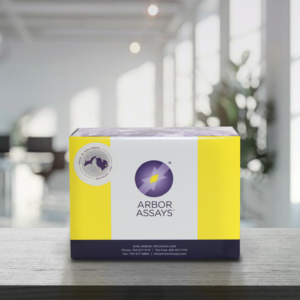
Arbor Assays DetectX® 2’3′-cGAMP ELISA Kit
Developing protocols? Discover how scientists are using Arbor Assays kits to advance clinical oncology in our publication database.
Featured Products
-
 In Stock
2′,3′-Cyclic GAMP ELISA Kit
Price range: $662.00 through $2,646.00The DetectX® 2',3'-cGAMP ELISA Kits measure 2',3'-cGAMP in tissues and cells.
Related Products
-
In Stock
Cyclic AMP Direct ELISA Kit
Price range: $457.00 through $1,828.00The DetectX® Cyclic AMP (cAMP) Direct ELISA Kits quantitatively measure cAMP present in a variety of samples.
-
In Stock
3′,3′-Cyclic GAMP ELISA Kit
Price range: $634.00 through $2,536.00The DetectX® 3’,3’-cGAMP ELISA Kits is the World’s First ELISA Kit to measure 3’,3’-cGAMP in cell lysates, culture medium, and microbiome model systems and now has 10X increased sensitivity. This kit accurately quantifies 3’,3'-cGAMP in bacterial or eukaryotic cell lysates.