
Why Studying Zoo Animals Matters More Than You Think
The sun is just peeking over the horizon as a researcher stands outside a ring-tailed lemur enclosure at an Italian zoo, clipboard in hand, watching a small group start their day. Visitors shuffle past, and kids press their faces on the glass. To the researcher, every grooming bout, glance toward the visitor walkway, and subtle behavior shift are data points.
Later, fecal samples from those same lemurs are processed in a lab, turning observation into measurable, trackable insights.
This is the quiet work of zoo research. Yet it rarely gets attention, even though it probably should.
Zoos Are Laboratories in Disguise
Modern zoos offer structured environments for long-term, repeatable research. Terrain, weather, and limited sampling opportunities shape studies in the wild. In a zoo, researchers have known individuals, documented histories, and the ability to collect samples over time without disrupting animals.
For endocrinologists and behavioral ecologists, that consistency matters. Cortisol, progestogens, oxytocin, and androgens can all be measured from fecal or urinary samples without needles or restraints. With the right assays, these measurements directly inform care and welfare plans.
Stress, Visitors, and Lemur Welfare
One common question in zoo research: Do visitors stress animals?
A 2022 PLOS One study from the University of Padua looked at five ring-tailed lemurs at the Giardino Zoologico di Pistoia. Fecal samples collected on quiet weekdays and busy weekends measured glucocorticoid metabolites with Arbor Assays’ Cortisol EIA kit.
Even with higher visitor density, cortisol levels didn’t spike. The lemurs showed no signs of physiological stress or avoidance behavior, a reminder that observation alone isn’t enough; physiology matters too.
Social Life, Stress, and Gorilla Group Management
A 2022 study in Primates examined 71 male western lowland gorillas across North American zoos in bachelor, mixed-sex, and solitary housing. Oxytocin and cortisol assays revealed that bachelor group males had higher oxytocin than those in mixed-sex or solitary settings, suggesting strong social bonds. Cortisol remained low in bachelor and mixed-sex groups but increased in solitary animals, showing that isolation is a measurable source of stress for social species.
A Bat Species on the Brink
Zoo research isn’t just for the show-stopping animals. Smaller, lesser-known species matter too.
Fewer than 1,200 Livingstone’s fruit bats remain in the wild, which makes the captive populations at Jersey Zoo and Bristol Zoological Gardens vital.
A 2022 study in Hormones and Behavior used non-invasive fecal sampling to validate a cortisol assay with an Arbor Assays kit. Lactating females had elevated cortisol, socially bridging bats showed higher levels, and males that vocalized more experienced greater stress. These insights help care teams identify individuals under the most pressure and target welfare interventions.
Monitoring Reproduction in Endangered Bovines
Banteng, a rare wild bovine from Southeast Asia, faces a precarious future. Currently, fewer than 8,000 remain in the wild, with a small number in managed care.
A Saint Louis Zoo study used fecal hormone assays, including glucocorticoids measured with Arbor Assays kits, to track reproductive cycles, pregnancy, and stress. On average, ovulatory cycles lasted 24.7 days. During pregnancy, females showed behavioral changes before birth, and cortisol remained stable unless disrupted by external events like veterinary procedures.
For conservation breeding, these measurements allow early detection of reproductive changes and stress, letting teams adjust care and breeding decisions to improve outcomes.
The Bigger Picture
Across these studies, the pattern is clear. Studying zoo animals in systems where physiology, behavior, and change can be tracked over time, and non-invasive hormone monitoring is important.
Validation separates meaningful data from noise. Each study confirmed methods and enabled discoveries shaping how zoos house, manage, and care for animals. High-quality tools don’t just generate numbers, they give researchers the confidence to act, improving animal welfare.
Featured Products
-
 In Stock
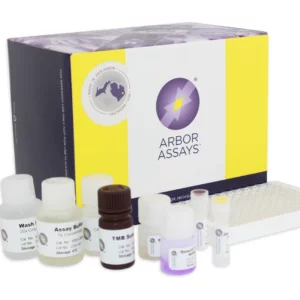
Cortisol ELISA Kit
Price range: $346.00 through $1,388.00The DetectX® Cortisol ELISA Kits quantitatively measure cortisol present in a variety of samples. -
 In Stock
Oxytocin ELISA Kit
Price range: $573.00 through $2,291.00The DetectX® Oxytocin ELISA Kit is designed to quantitatively measure Oxytocin present in serum, plasma, clarified milk and tissue culture media samples.
-
 In Stock
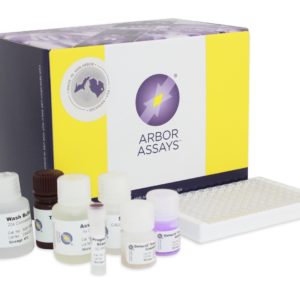
Progesterone ELISA Kit
Price range: $346.00 through $1,388.00The DetectX® Progesterone ELISA Kits quantitatively measure Progesterone present in extracted dried fecal samples, urine and tissue culture media samples. Used in determination of Reproduction and Sex Steroid Metabolism