Wild for Wildlife Month 2026 – Celebrating the Science That Protects Wildlife
Every July, Wild for Wildlife Month celebrates the incredible diversity of species that share our planet and the researchers working to better understand and protect them. Whether studying stress in wild birds, reproductive health in marine mammals, or endocrine function in endangered species, wildlife scientists rely on biomarkers to answer important biological questions that support conservation efforts around the world.
At Arbor Assays, we’re proud to support that work by providing high-quality assay kits that help researchers measure hormones, cytokines, oxidative stress markers, and other important biomarkers across a wide range of species. We’re also honored to partner with organizations that advance wildlife research, including the International Society of Wildlife Endocrinology (ISWE) and the Society for Integrative and Comparative Biology (SICB). Together, we’re helping provide researchers with the tools they need to better understand wildlife health and physiology.
To celebrate Wild for Wildlife Month, we’re highlighting a handful of recent studies that demonstrate the many ways biomarkers are helping advance wildlife research.
Budgerigar (Parrot)
Biomarker: Corticosterone
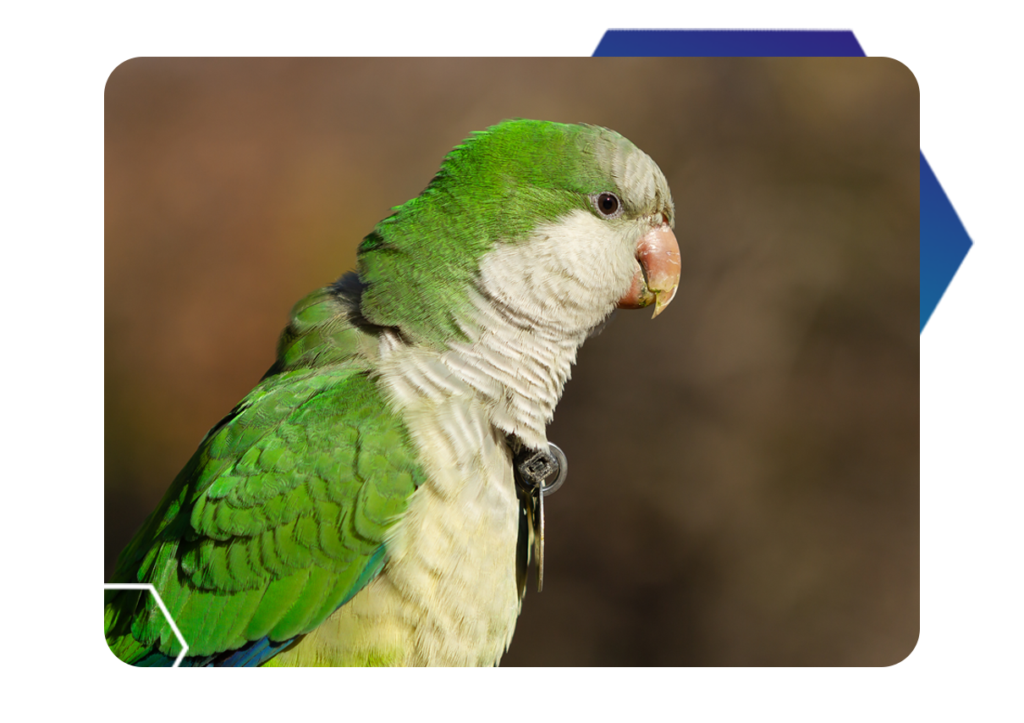
How Stress May Affect a Talking Parrot’s Ability to Learn
Budgerigars are one of the few animals capable of lifelong vocal learning, making them an excellent model for studying how stress affects communication. Researchers found that repeated environmental disturbances altered glucocorticoid receptor expression within a brain region responsible for vocal learning, even though circulating corticosterone levels remained unchanged. The findings suggest that chronic stress may influence communication by changing how the brain responds to stress hormones rather than changing hormone concentrations alone.
Article: Time the Avenger: Unpredictable Environmental Disruptions Induce Changes in Neural Expression of Glucocorticoid Receptors in the Vocal Learning Circuit of the Male Budgerigar
Read the full study: https://doi.org/10.1016/j.ygcen.2026.114900
Astyanax lacustris (Freshwater Fish)
Biomarker: PGE₂
What Happens When Common Pain Relievers Reach Our Waterways?
Diclofenac and ibuprofen are among the most frequently detected pharmaceutical contaminants in aquatic environments. This study examined how exposure to these common NSAIDs affected endocrine function, metabolism, and reproduction in freshwater fish, revealing disruptions to multiple hormonal pathways and demonstrating how pharmaceutical pollution may influence aquatic wildlife health.
Article: Physiological Responses on the Reproductive, Metabolism and Stress Endpoints of Astyanax lacustris Females (Teleostei: Characiformes) After Diclofenac and Ibuprofen Exposure
Read the full study: https://www.sciencedirect.com/science/article/abs/pii/S1532045624000140
Black and White Rhinoceroses
Biomarker: Oxytocin
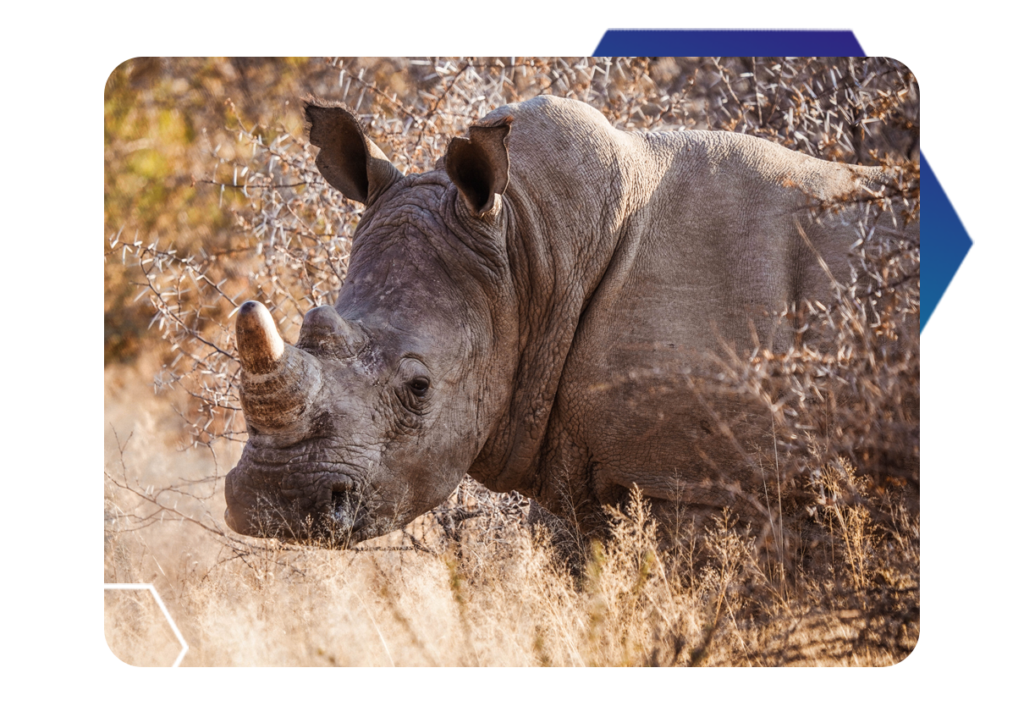
Measuring Oxytocin to Better Understand Rhinoceros Reproduction
Researchers collected monthly plasma samples from black and white rhinoceroses across 33 North American facilities to better understand how oxytocin relates to reproduction, social behavior, and lactation. While oxytocin levels were closely associated with lactation, they showed little relationship with social behaviors, providing an important foundation for future reproductive and behavioral studies in these endangered species.
Article: Monthly Plasma Oxytocin Samples Detect Lactational but Not Social Management or Behavioral Variation in Ex Situ Black and White Rhinoceroses
Read the full study: https://doi.org/10.1016/j.therwi.2026.100155
Greater Caribbean Manatee
Biomarker: Progesterone / Estradiol
A New Non-Invasive Way to Monitor Manatee Reproduction
Monitoring reproductive hormones without handling endangered animals is an important goal for wildlife conservation. In this study, researchers successfully measured progesterone and estradiol from fecal samples, providing one of the first non-invasive approaches for evaluating reproductive health in Greater Caribbean manatees and establishing important baseline hormone values.
Article: First Non-Invasive Monitoring of Fecal Steroids in Greater Caribbean Manatees (Trichechus manatus manatus)
Read the full study: https://doi.org/10.1002/zoo.70070
Asian Elephant
Biomarker: Cortisol
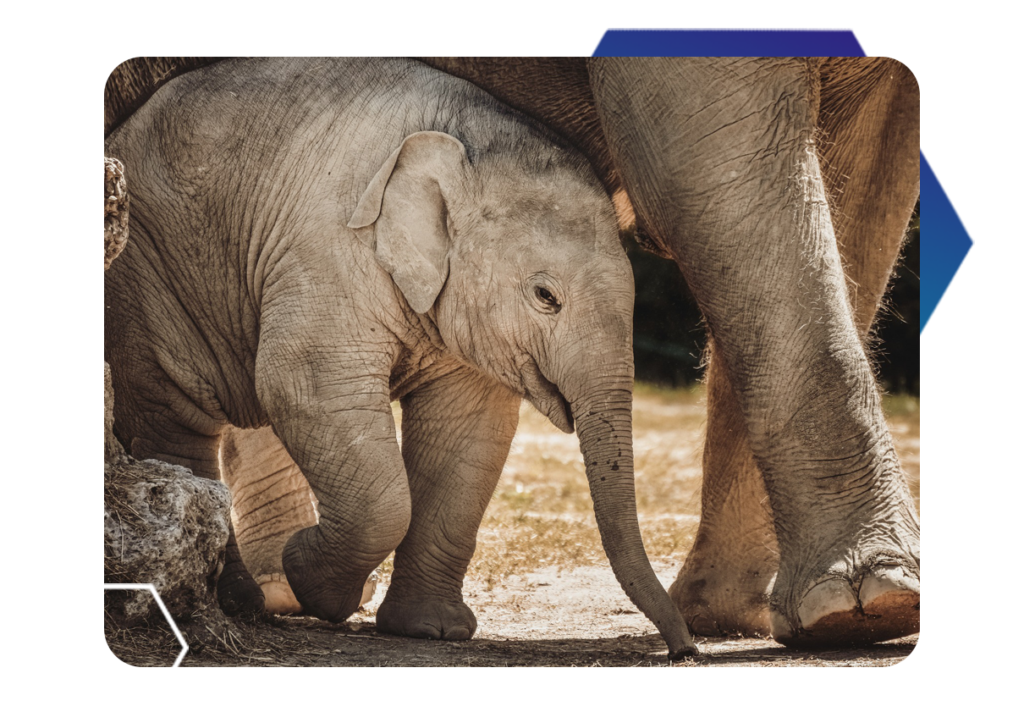
Understanding the Physiological Cost of Musth
Musth is a natural reproductive state in male Asian elephants that brings dramatic behavioral and hormonal changes. By measuring cortisol alongside immune and inflammatory biomarkers over five years, researchers found that musth is associated with measurable physiological stress and immune activation, helping improve health monitoring and welfare for managed elephant populations.
Article: Multisystem Effects of Musth on Immune Function and Physiology of Asian Elephants (Elephas maximus)
Read the full study: https://doi.org/10.1638/2025-0074
Roe Deer
Biomarker: Testosterone
What Can Antlers Tell Us About Environmental Health?
Roe deer are often viewed as indicators of ecosystem health, making them an ideal species for studying the effects of environmental contaminants. In this study, researchers investigated whether exposure to toxic trace metals was associated with reproductive health in wild male roe deer. They found that higher levels of certain metals were linked to reduced testis mass, suggesting that environmental pollution may have subtle but important effects on wildlife reproduction.
Article: Exposure to Toxic Trace Metals Is Negatively Associated with Testis Mass in Wild Male Roe Deer
Read the full study: https://doi.org/10.1016/j.envpol.2025.126825
Mud Crab
Biomarker: 17β-Estradiol
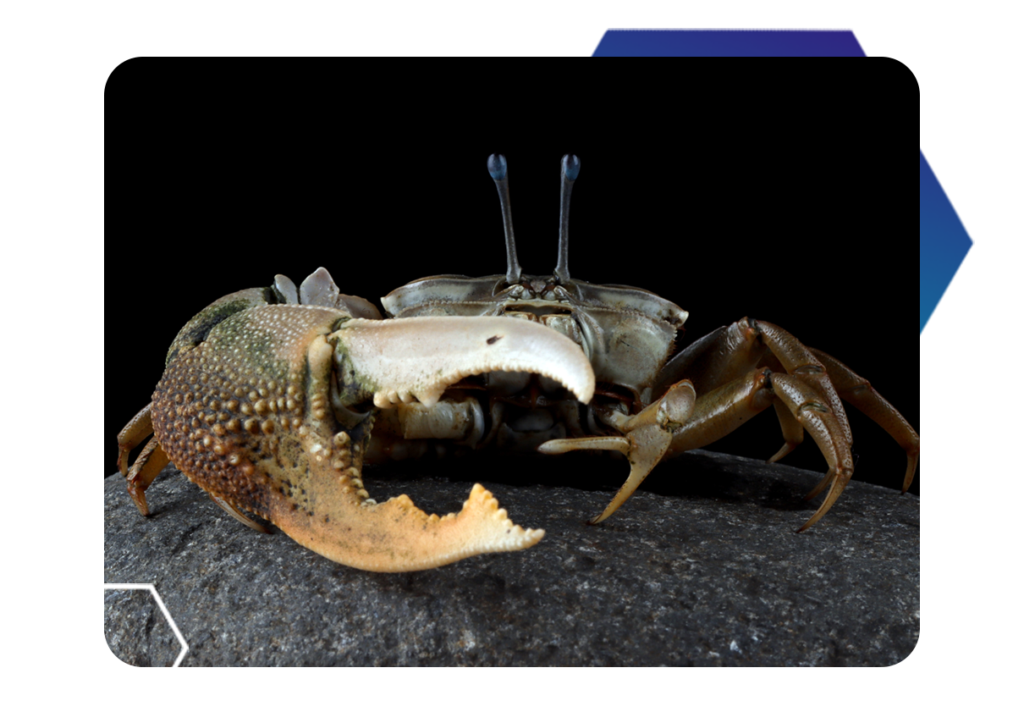
Understanding What Drives Reproduction in Crustaceans
Reproductive hormones play an essential role across the animal kingdom, including marine invertebrates. Researchers examined how the neuropeptide corazonin influences ovarian development in the mud crab (Scylla paramamosain), finding evidence that it helps regulate reproductive processes by affecting hormone production, including 17β-estradiol. The work provides new insight into the endocrine mechanisms that control crustacean reproduction.
Article: Characterization and Analysis of the Role of Corazonin in Regulating Ovarian Development in the Mud Crab Scylla paramamosain
Read the full study: https://doi.org/10.3390/fishes10070329
Monocled Cobra
Biomarker: Corticosterone
Measuring Stress During Defensive Behavior
When threatened, monocled cobras display one of the animal kingdom’s most recognizable defensive behaviors: raising the front of the body and expanding their hood. This study explored the physiological side of that response by measuring corticosterone alongside defensive behaviors during provocation. The findings provide a better understanding of how stress hormones contribute to defensive strategies and improve our knowledge of reptile physiology.
Article: Behavioral and Hormonal Responses in the Defensive Repertoire During Provocation in Captive Monocled Cobra (Naja kaouthia)
Read the full study: https://doi.org/10.1016/j.physbeh.2024.114689
Supporting Wildlife Researchers Around the World
From parrots learning new vocalizations to elephants navigating reproductive cycles, biomarkers continue to help researchers uncover the complex biology that drives animal health and behavior. Every study adds another piece to the puzzle, helping scientists better understand, manage, and conserve wildlife populations around the world.
This Wild for Wildlife Month, we’re proud to celebrate the researchers, conservation organizations, and scientific partners dedicated to protecting wildlife through discovery. Arbor Assays is honored to support that work by providing reliable assay solutions that help turn biological samples into meaningful scientific insights.
Featured Products
-
 In Stock
Corticosterone Multi-Format ELISA Kit
Price range: $375.00 through $1,499.00The DetectX® Corticosterone Multi-Format ELISA Kits quantitatively measures corticosterone present in a variety of samples. -
 In Stock
Prostaglandin E2 (PGE2) ELISA Kit
Price range: $484.00 through $1,934.00The DetectX® Prostaglandin E2 (PGE2) ELISA Kits quantitatively measure PGE2 present in serum, plasma, urine, saliva and tissue culture media samples.
-
 In Stock
Oxytocin ELISA Kit
Price range: $573.00 through $2,291.00The DetectX® Oxytocin ELISA Kit is designed to quantitatively measure Oxytocin present in serum, plasma, clarified milk and tissue culture media samples.
-
 In Stock
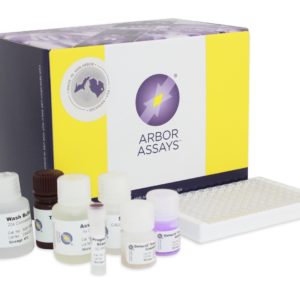
Progesterone ELISA Kit
Price range: $346.00 through $1,388.00The DetectX® Progesterone ELISA Kits quantitatively measure Progesterone present in extracted dried fecal samples, urine and tissue culture media samples. Used in determination of Reproduction and Sex Steroid Metabolism
-
 In Stock
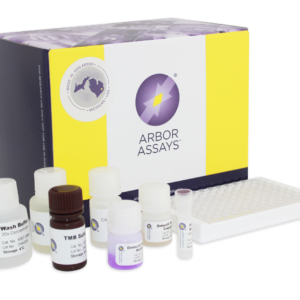
Estradiol ELISA Kit
Price range: $328.00 through $1,309.00The DetectX® Estradiol ELISA Kits use a specifically generated antibody to measure estradiol and its metabolites in urine and fecal samples. This kit is not recommended for serum, plasma, or saliva samples.
-
 In Stock
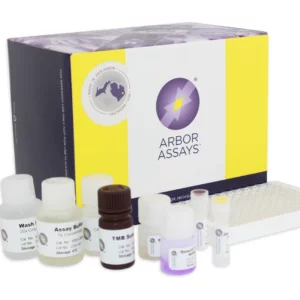
Cortisol ELISA Kit
Price range: $346.00 through $1,388.00The DetectX® Cortisol ELISA Kits quantitatively measure cortisol present in a variety of samples. -
 In Stock
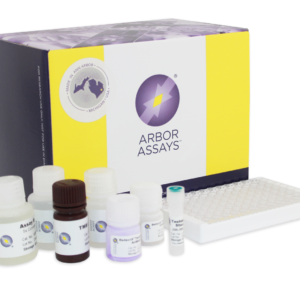
Testosterone ELISA Kit
Price range: $362.00 through $1,444.00The DetectX® Testosterone ELISA Kits provide non-invasive measurements of Testosterone and Dihydrotestosterone.
-
 In Stock
Serum 17β-Estradiol ELISA Kit
Price range: $410.00 through $1,638.00The DetectX® Serum 17β-Estradiol ELISA Kits quantitatively measure free 17β-Estradiol in serum and plasma.